Why Do Our Bagels Taste So Darn Good? – Sam’s Bagels Easton PA
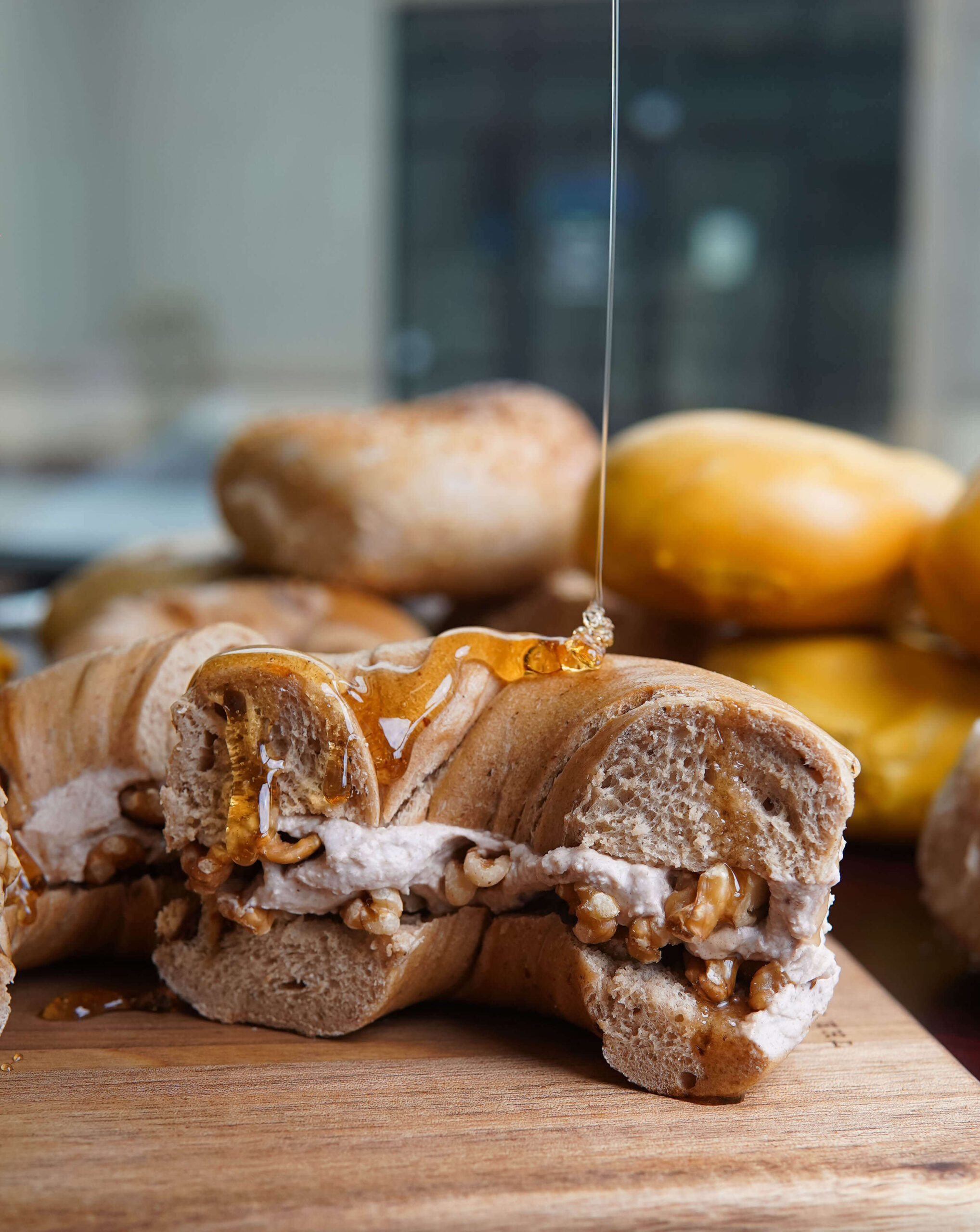
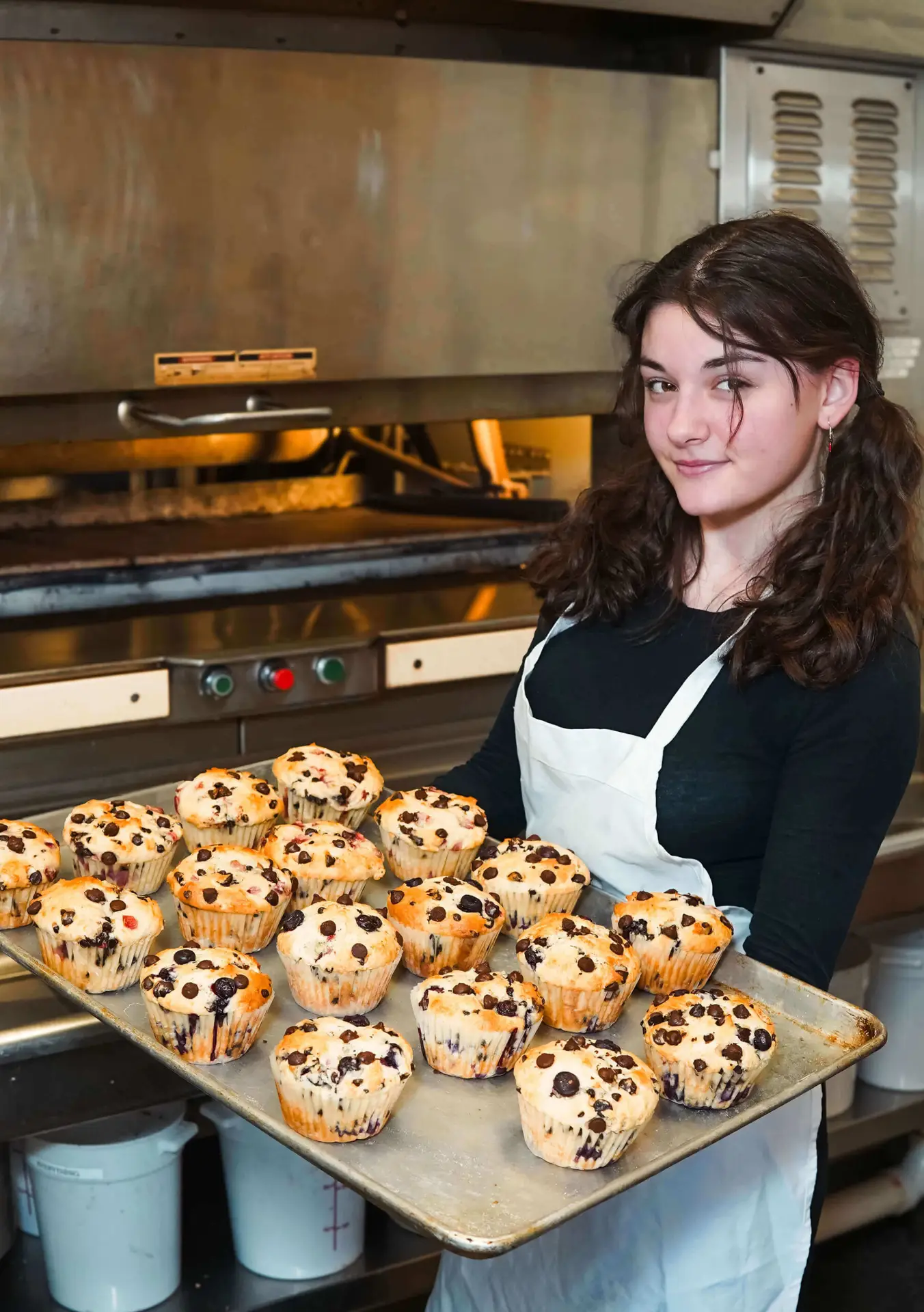
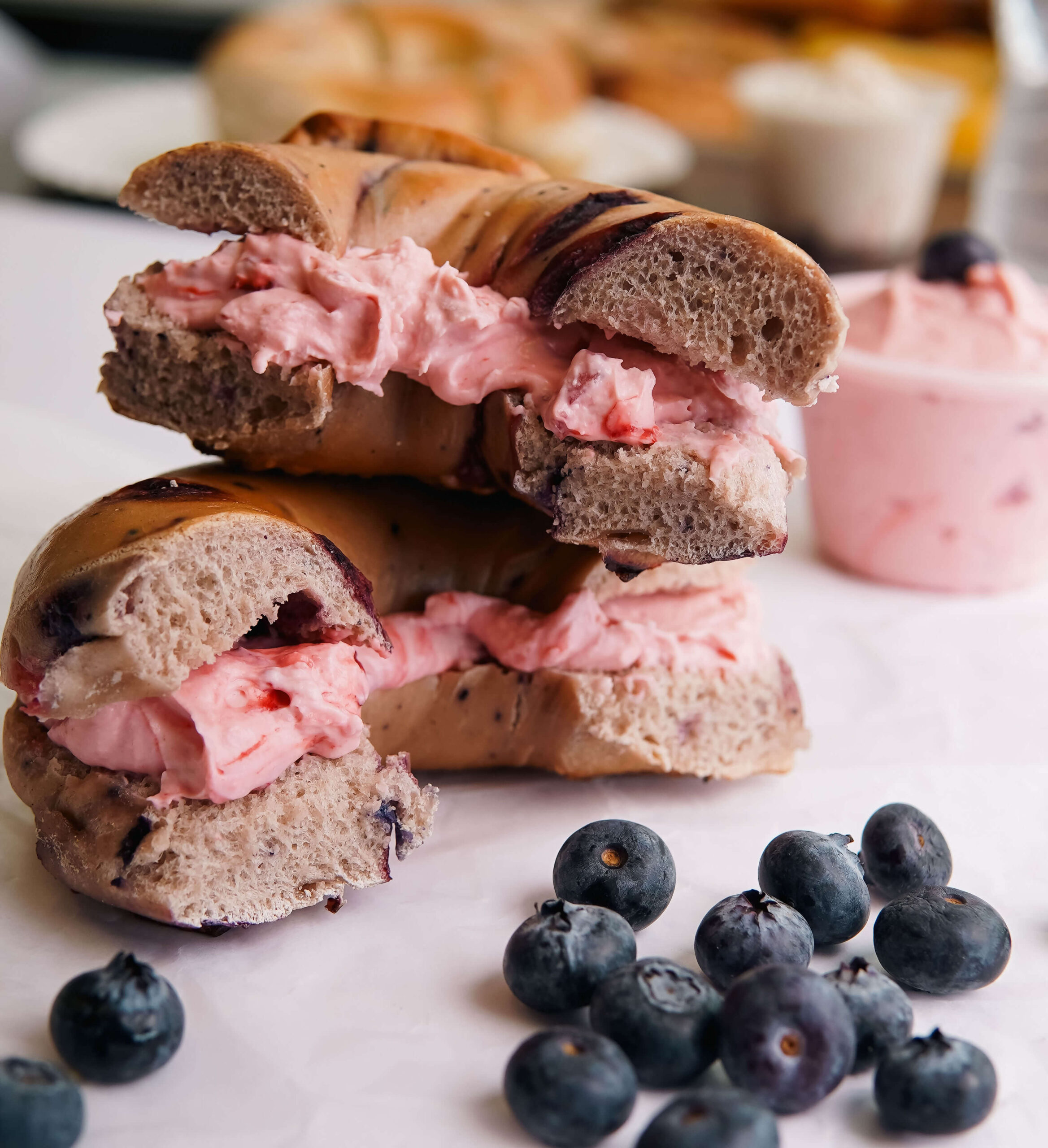
If you’ve ever taken a bite of one of our bagels and wondered “Why does this taste different?” — you’re not imagining it. The secret isn’t a single ingredient. It’s the process. At Sam’s Bagels, we follow the same traditional methods used by New York bagel makers for generations. Every batch is made with patience, skill, and respect for the craft. No frozen dough. No shortcuts. No mass-production tricks. Instead, our bagels are: • Mixed from scratch using high-gluten flour and natural malt • Hand-rolled and shaped by real bakers • Boiled the traditional way to create that signature chewy crust • Baked on wood boards wrapped in burlap inside rotating ovens • Seeded on both sides for flavor in every bite Each step matters — and together they create the bagels our customers have come to love in Easton, PA and the surrounding Lehigh Valley area. Below is a look at the process that makes them so special.
And That’s Why They Taste So Good
When you combine traditional techniques, quality ingredients, and a team that truly cares about what they make, the result is something special.
That’s why our bagels have:
• A crispy crust
• A perfect chew
• A deep, authentic flavor
It’s not magic.
It’s just doing things the right way — every single morning.
Thank you for taking a moment to learn about our process at Sam’s Bagels Easton.
Now the only thing left to do is enjoy another bagel.